From Local Action to Global Impact: Youth Driving Change Through Technology and Partnerships
The world is running out of time to meet the Sustainable Development Goals. But in villages, towns, and cities everywhere, young people aren’t waiting for a countdown clock to hit zero. They’re rolling up their sleeves, building alliances, and rewriting the rules. They’re tackling climate threats with local solutions, confronting gender inequality in their own backyards, and bending policies toward justice. These actions may start small, but they don’t stay small for long. From TikTok campaigns in Afar to budget wins in Malawi, the ripple effects are crossing borders and shaking up systems that once seemed untouchable.
Yet this momentum is running headfirst into a reality we can’t ignore. In 2024, civic space shrank in country after country. Laws tightened. Protests were met with violence. Online spaces turned into minefi elds of harassment and misinformation. Young women, LGBTQ+ youth, and those from marginalized communities felt the impact fi rst and worst—harassed, criminalized, shut out of decision-making. At the same time, funding for gender equality and SRHR was slashed, threatening to roll back years of hard-fought progress. Just when youth leadership is most urgent, the space and resources to lead are under siege.
It’s in this climate that Power to You(th) advances its 2025 theme: “Youth Driving Change Through Technology and Partnerships.” And the results prove it works. In 2024 alone, 1,213 young people (150% over target) stepped into policy and decision-making roles and used them to make change. Not token spots. Not symbolic titles. Real influence, backed by skills, networks, and evidence.
In Ethiopia, youth councils are now hardwired into health governance structures. Less “youth table” and more “youth in the driver’s seat”, shaping adolescent health policy with gender and disability inclusion built in. In Malawi, youth advocates shifted the national health budget from 8.9% to 12.2%, carving out 13% specifi cally for youth-friendly SRHR services. That’s not a side note in a spreadsheet; that’s a line item with lives attached to it. In Indonesia, partnerships with ministries stitched comprehensive sexuality education into 395 junior high schools, like sewing a stronger seam into the fabric of the curriculum. In Kenya, youth coalitions worked the county halls like seasoned negotiators, securing action plans that put adolescent girls and young women front and center. By the year’s end, our partners had a hand in 48 laws, policies, and practices reducing barriers to SRHR—65% above target, and every one of them a door kicked open for the next generation.
Technology has been the megaphone and the meeting place. In Ghana, youth activists used digital platforms to take on gender-based violence and hold parliament’s feet to the fire. In Kenya, social media wasn’t just noise. It became a rallying drumbeat that brought thousands into the streets to protest femicide. In Ethiopia’s Afar region, TikTok turned into a modern-day town square, where the call to end child marriage and FGM spread faster than any flyer could. However, online spaces aren’t risk-free. Digital violence and misinformation lurk like potholes. Yet young people are swerving around them, turning tech into a force for advocacy, solidarity, and momentum.
Partnerships have been the other half of the equation. Intergenerational dialogues in Senegal brought elders, religious leaders, and youth together to challenge harmful practices, turning conversations once whispered into public commitments. In Uganda, alliances with cultural and religious institutions transformed traditional gatherings into platforms for open discourse about gender justice and SRHR. These relationships, built on trust, have turned awareness into action, making sure local voices reach policy tables.
These aren’t isolated wins. Local youth actions for the SDGs are threads in a global tapestry where environmental, economic, and gender justice are woven tightly together. In 2024, 114 partner civil society organizations (more than 50% over target) were strengthened in meaningful youth participation and gender-transformative approaches. That’s not just capacity-strengthening; that’s fortifying the ecosystem that keeps youth leadership thriving long after a single project ends.
Our call this International Youth Day is simple. To governments: open up civic space and keep it open. Put youth in governance not as a formality, but as partners with the authority to make decisions. To donors: fund youth-led and feminist movements like you want them to win, long-term, fl exible, and at scale. And to our fellow young people: keep proving that local action is global action. Build the alliances, use the tools, and keep the pressure on.
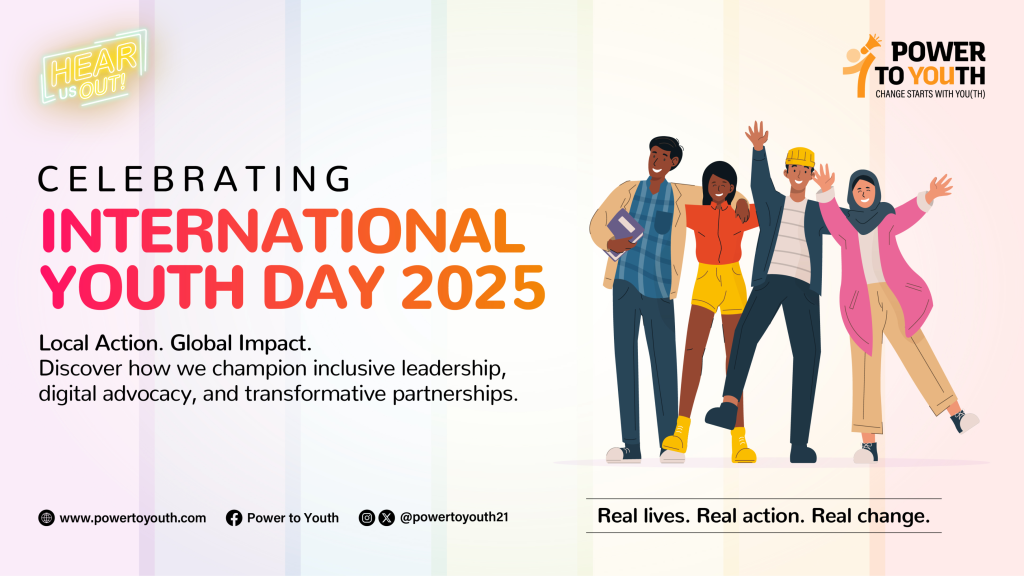
International Youth Day is more than a date on the calendar; it’s a reminder of the stakes and the possibilities. From rural villages to capital cities, young people are driving change through technology, partnerships, and relentless local action. We’re not waiting for permission. And we’re not leaving anyone behind.
#HearUsOut — because the future isn’t just ahead of us; we’re building it now!